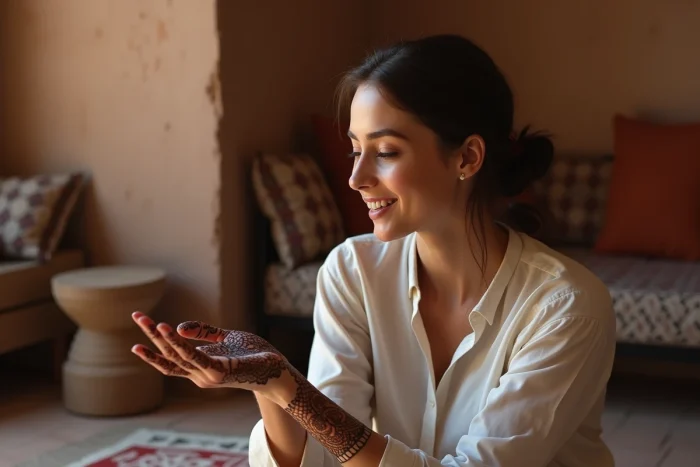
A henna application on the dominant hand often fades faster due to repeated friction and frequent contact with water. However, some traditional patterns specifically require this hand, defying the logic of durability.
In some cultures, the chosen hand depends neither on durability nor aesthetics, but on a symbolic code or personal preference. Ignoring these subtleties can compromise the expected outcome and final satisfaction.
Why the chosen hand influences the result of your henna tattoo
The hand selected to receive a henna tattoo determines the quality, longevity, and symbolism of the pattern. On the palm, the thicker skin retains the hue better: the henna tattoo lasts longer, and the color intensifies. Conversely, the back of the hand, which is more exposed, promotes rapid fading. This contrast is explained by the skin structure: keratin, denser on the palm, effectively binds the pigments.
The social and artistic dimension accompanies this choice. Henna for hands is part of a collective ritual, where the offered hand becomes a medium for self-affirmation, connection, and storytelling. Minimalist patterns or abundant arabesques: each line carries an intention, a unique message. The art of henna tattooing intertwines with tradition, personality, and sometimes superstition.
Here are some practical guidelines for choosing:
- For an optimal result, favor the palm if you seek a vibrant and long-lasting color.
- The back of the hand is suitable for ephemeral or discreet patterns, to be renewed more frequently.
The quality of the paste and post-application care play a crucial role. Hydrate the area, reduce repeated washing, and avoid abrasive products. Choosing the right hand also involves considering the daily use of your hands: a dominant hand in use will erase the design faster. To delve deeper into the criteria between the right and left hand, consult the dedicated article: henna for hands.
Henna tattooing, far from being a mere ornament, becomes an experience, a practice where the choice of hand engages the skin, tradition, and aesthetics.
Left or right: how to decide on which hand to apply your first henna?
The choice between the left hand and the right hand during the first henna application is not random. This gesture, at the intersection of the intimate and the collective, is rooted in an ancient tradition. Wedding ceremonies, family celebrations, and transmission workshops value this ritual, where each hand tells a different story.
The right hand, often highlighted in Maghreb and South Asian cultures, embodies respect and blessing. It often receives the most elaborate patterns, intended to be seen and shared, especially during weddings or religious celebrations. The left hand, on the other hand, embraces a personal space, conducive to experimentation, with more discreet or symbolic tattoos.
To choose the hand most suitable for your first henna tattoo, consider these elements:
- For a first henna tattoo, analyze the daily use of your hands: the dominant hand, used for writing or handling, will see its pattern fade faster.
- The non-dominant hand, less exposed, retains the delicacy of the design longer.
Sisterhood, a cardinal value in the practice of henna, is expressed in intergenerational transmission and sharing on social networks. Collective workshops, conducive to learning, celebrate this shared experience, transcending borders and generations. The henna tattoo is not just an ornament: it affirms a bond, a sense of belonging, a living memory of gestures and patterns.
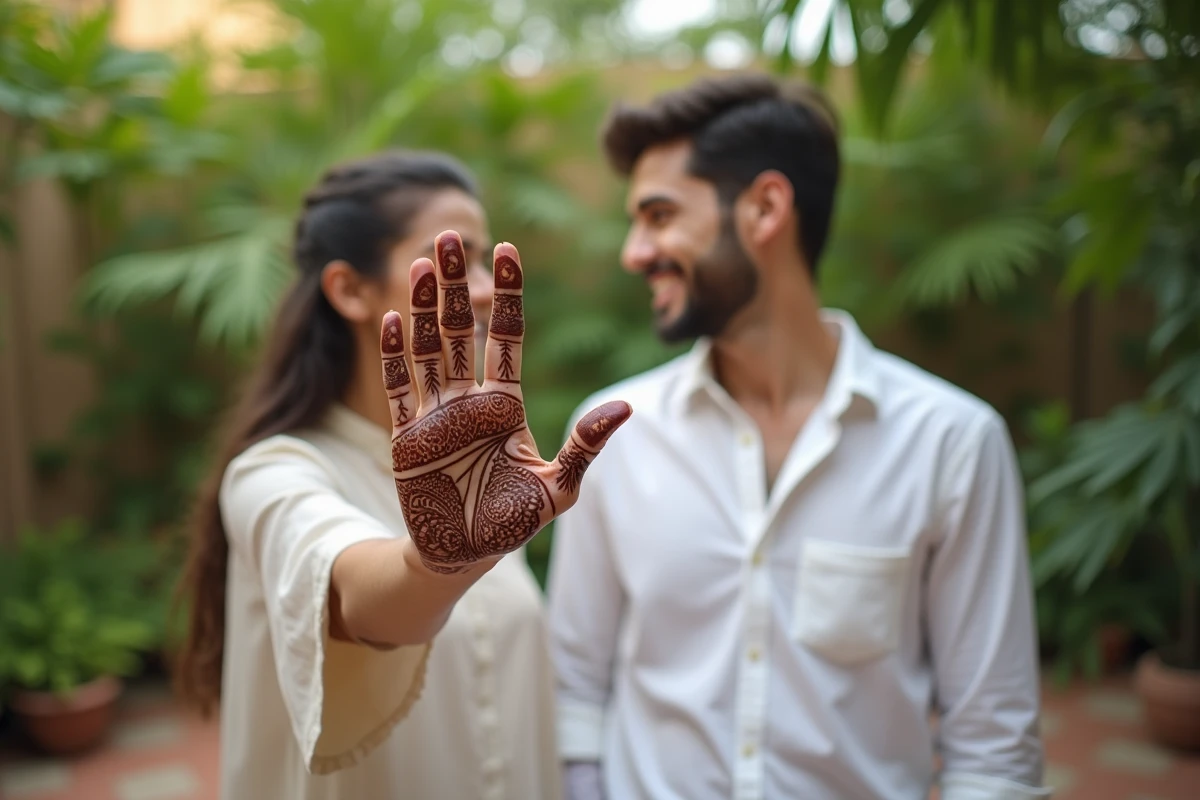
Prepare, trace, maintain: key steps for a successful and stress-free henna tattoo
Choosing natural henna remains the first reflex for anyone wishing to preserve the health of their skin. Prefer a powder of lawsonia inermis, free from chemical additives. Black henna containing PPD (para-phenylenediamine), often offered for its intense color, exposes one to severe skin reactions. For homemade paste, combine henna powder, lemon juice, sugar, and a few drops of eucalyptus essential oil: these ingredients promote the release of pigments and adherence to the skin.
Preparation precedes the artistic gesture. Conduct a patch test 48 hours before application. On clean skin, dry the chosen area thoroughly. Tracing is done using a cone or applicator bottle, tools that offer precision and freedom in executing patterns: floral, mandalas, trellises, or crowns. Stencils, sometimes used by beginners, ensure graphic consistency, but the hand always guides the gesture, pressure, and movement.
To ensure the longevity and beauty of the henna tattoo, follow these tips:
- Once the paste is dry, let it sit for several hours, even overnight to intensify the color.
- Then apply a vegetable oil, such as argan, coconut, or olive, to nourish the skin and prolong the tattoo’s glow.
- Avoid water during the first hours, limit friction.
This attentive care ensures a deeper color and a pattern that fades gently, without unsightly marks. Ultimately, each henna tattoo tells a unique story, born from a balance between ancestral traditions, precise gestures, and personal choices. The art imprints on the skin, but also in memory, ready to fade to be reborn elsewhere.