
The last tram in Grenoble often leaves the tracks before midnight, even on the main lines. The schedules vary depending on the day of the week and the time of year, leaving some users without options after a certain hour.
As night falls, tram traffic slows down, and Grenoble changes its face. Despite some adjustments during festivals or on summer weekends, the TAG network leaves entire parts of the night without public transport. Going out late or starting your day before dawn becomes a real headache, with each night owl looking for a way to get home or leave without wasting time or losing their peace of mind.
Tram in Grenoble: what are the night and early morning schedules?
In Grenoble, trams become scarce well before dawn. The lines of the TAG network fade away one by one, often between midnight and 12:30 AM on weekdays, sometimes a little later on Fridays or Saturdays, but that remains the exception. The outskirts, the scientific polygon, or certain residential areas have little chance of being served after midnight. You have to accept it: at night, the city no longer belongs to the tracks.
For night owls, the schedules quickly become a true exercise in patience. Between deciphering the display boards and unexpected changes depending on the season, it’s hard to keep track without checking each time you go out. Anticipation is not a luxury: it is necessary, especially when a late return or an early departure cannot be postponed.
For those who want to plan effectively, the tram schedules for Grenoble at night on 100 Pour 100 Annonces provide a clear answer. You can easily find the timetables for the night and the first morning departures, which simplifies many journeys, whether after a night out or before sunrise.
Despite its efficient daytime network, Grenoble leaves its night users facing a reality: at certain hours, you have to find other solutions to get around. Students, workers, visitors: everyone has to deal with a public service that stops while the city continues to live.
What alternatives when the tram is no longer running? A panorama of night solutions
When the last tram disappears, the city does not sleep. Night workers, students, party-goers, and residents reinvent urban mobility in their own way. Several options are available to those who finish late or start very early:
- Some areas like the scientific polygon or the train station maintain notable activity, with users returning by bike or car, despite parking constraints and sometimes deserted roads.
- Shared solutions, such as carpooling among neighbors or colleagues, are developing. Informal groups are forming to share a ride or offer a safe return.
In light of these challenges, the city does not offer a ready-to-use array of services. Everyone must invent their own route, adapt, and negotiate with geography and schedules. Experiences from other major cities show that there are a thousand ways to support night mobility. In Grenoble, the balance remains fragile: the offer varies by neighborhood, and safety remains a sensitive issue as soon as you step off the main roads.
Facilitating night travel: public transport, safety, and local tips
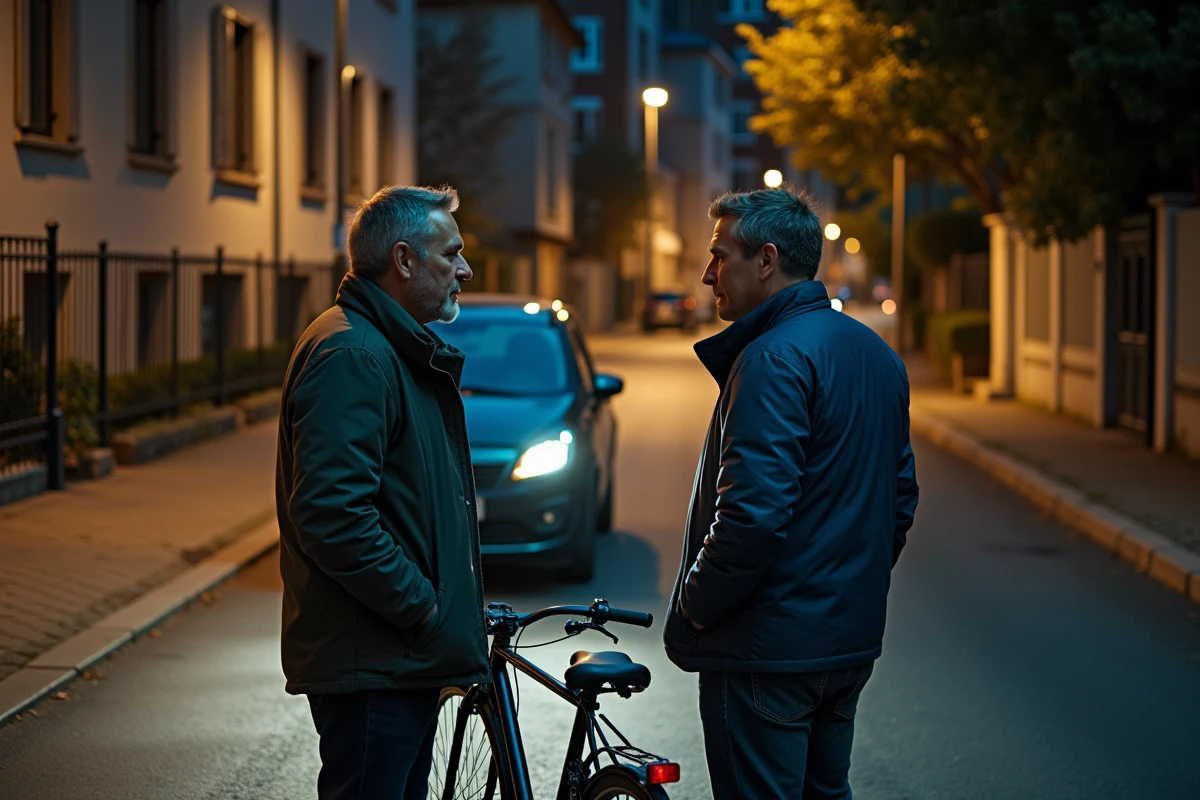
Once night falls, mobility in Grenoble becomes a balancing act. Public transport diminishes: few buses, even fewer trams, sometimes you have to walk or wait a long time. Those returning late organize themselves: a last bus not to miss, a bike ready to face the night chill, or the solidarity that builds in neighborhoods.
The question of safety arises with every trip. Well-lit areas reassure and attract pedestrians and cyclists; isolated spots, on the other hand, call for vigilance. To adapt, residents multiply initiatives: neighborhood groups to return together, sharing tips on social networks, marking the safest routes. This kind of cooperation shapes a new map of the city, where everyone shares their experiences and good plans.
- The terrain, typical of the alpine region, also influences choices: some neighborhoods are more accessible than others, and everyone improvises according to their constraints.
- Projects are emerging to improve night travel. They often arise from discussions between associations, local residents, and elected officials, proving that the issue mobilizes well beyond regular users.
In response to the growing demand, Grenoble is trying new approaches to avoid leaving night owls on the sidewalk. The initial feedback is encouraging: the connection between the city center, universities, and peripheral neighborhoods is strengthening, even late at night. Here, night mobility reflects a city’s ability to remain alive, attentive to the needs of its residents, long after the last tram doors close.